Letter from the Editor
By John Hardberger

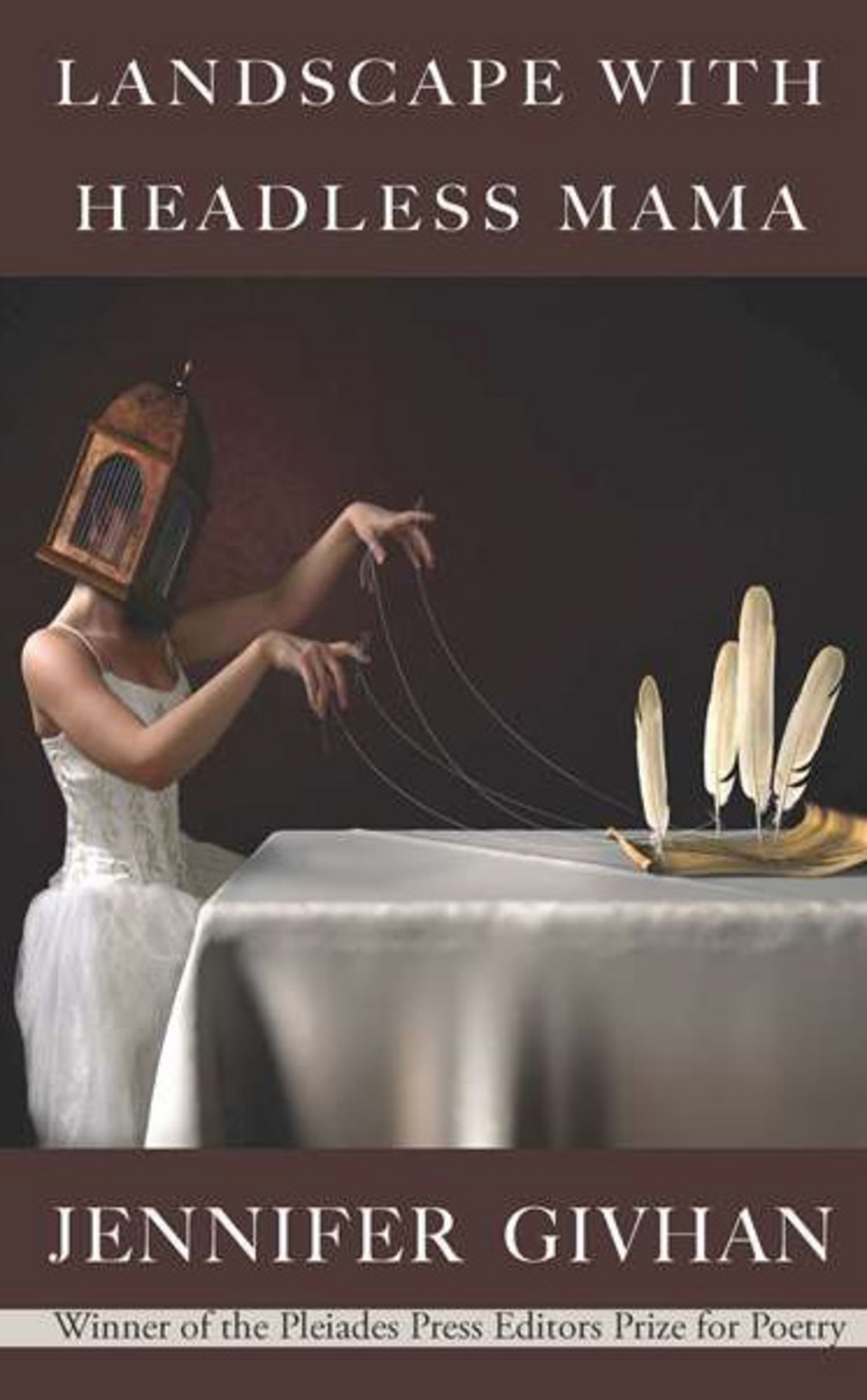
Jennifer Givhan is the Pleiades Press Editors Prize winning author of, Landscape with Headless Mama, a book reflecting both her strengths and struggles in womanhood. You may recognize her as Blue Mesa Review’s runner-up in the 2014 Poetry contest. Jenn’s work reflects her Mexican-American heritage, while encompassing the messages of the desert, where she calls home.
Charissa Inman: Reviews have described Landscape with Headless Mama as “the fierce work of a poet who can’t be denied.” Can we expect a second book anytime soon?
Jennifer Givhan: Yes! Protection Spell, is actually coming out in February. Billy Collins chose it as part of the Miller Williams Series, and it’s being published by the University of Arkansas Press. I thought Landscape and Protection Spell were one book, originally. In the past eight years, they’ve morphed into different themes. Protection Spell focuses on the son and the husband and racism becomes a dominant theme, which I’d only hinted at in Landscape.
CI: Landscape with Headless Mama presents themes of life, death, and femininity. Are these themes we can expect in your next book?
JG: Yes, definitely. Added to that mix are racial tension, power dynamics, and the violence enacted upon women and especially brown bodies. Landscape hints at the speaker’s inner trauma, but in Protection Spell, I explore outward into society and culture at large. The book was inspired by racialized trauma within my own family. This book took a lot of courage.
CI: You are clearly inspired by the desert’s treasures. From the Imperial Valley, to Albuquerque, what makes the desert so captivating? I was growing up I didn’t necessarily love the desert. It was hot! I longed for lushness. I wanted to live by the ocean. The desert raised me, but it was a rebellious relationship – I didn’t want the desert to be my mother. So I moved from the desert in Southern California to LA near the beach. I lived there for five years, and met my husband (“thank God I moved there!”), but I would drive for an hour trying to escape and I couldn’t get out! I would cry. I missed open spaces! When the opportunity to move here came, I worried. But after a year, it was like ‘wow.’ I can breathe again. All that time I had been searching for life and lushness, and it was here. It’s just a harsher environment, so life has to be tougher. And that’s what inspires me.
CI: Last year, you revealed that you reached 100 published poetry submissions. Any advice on submitting?
JG: My kids and I just watched Finding Dory, and you know how Dory’s saying is “just keep swimming?” I say “just keep submitting.” I get rejections all the time! It’s all about finding your readers and taking chances along the way. I’ve probably sent my work to over 500 publications. No joke. Keep sending work out; lightning will strike!
CI: With a full-time job as a mother of two beautiful children, how do you take the time to work on projects/ free write?
JG: Well, they’re in school now, but I try to spend as much time with them as I can. Even if that means I’m working and they’re next to me playing. I try to make time with them count. I’ve learned if I write something that doesn’t seem that great, save it. I’ll go back later and structurally it’s mess, but there’s often something there. Something that drove me to write it in the first place. And I can dramatically revise it later. I have learned to accept imperfection everywhere, in my mothering as well.
CI: You’ve listed progressive Latin-American women as idols, such as Frida Kahlo, Gloria Anzaldúa, and Lenora Carrington. What message would these strong women, including yourself, give to American women at this time?
JG: It goes back to “the desert is my mother,” and these are my literary mothers. They have taught me a toughness, a toughness of spirit. Politically right now it seems that we’re going back decades, and it’s scary. But we won’t let it happen. With Frida Kahlo and Lenora Carrington, they had a lot of really negative things happen in their lives and you can’t always control the external. It’s about resilience. And I think that’s what they would say, and that’s what I would tell other women.
CI: What are your greatest hopes for your daughter as she grows into a young woman?
JG: I don’t want her to go through some of what I’ve gone through. But whatever path she chooses, or however she needs to get there, I want her to be a strong woman who believes in herself. It’s so important to be concerned with ego and self, especially for women. Frida Kahlo painted herself in order to have an impact, and you have to love yourself in order to love anyone else. I think it’s taken me a long time to get there and not feel so broken. I don’t want my daughter to break along the way. Again, it goes back to resilience. She wants to be an artist, which means she can paint the world as she sees it, and as she needs it to be. I couldn’t think of anything better for my daughter.
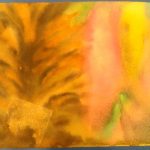
By Lindsay Wilson
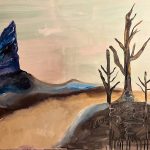
By Victor Hugo Mendevil

By Windy Martinez
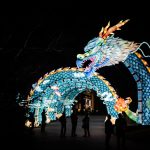
By Jackie Martin
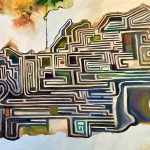
By Samantha Edmonds
By Jeffrey J. Higa